
From typesetting to desktop publishing: the evolution of typography
June 4, 2026
Rob de Melker
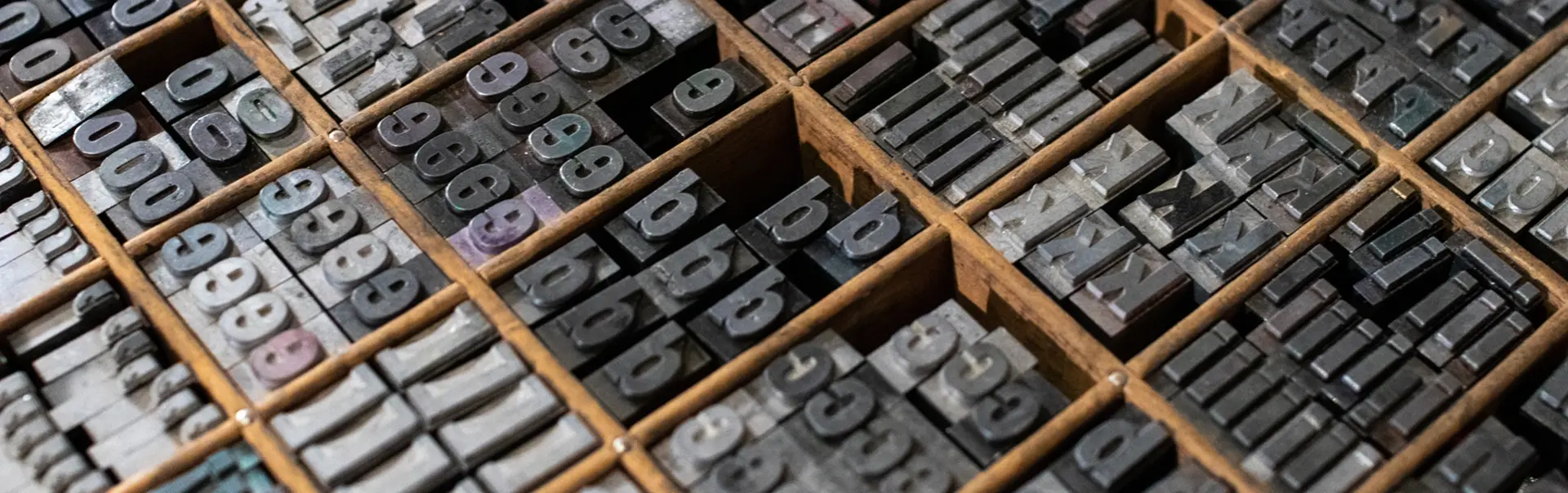
Typography and print design have a long history that began with the invention of the printing press by Johannes Gutenberg in the 15th century. In the past, every letter was set by hand, whereas today we work with digital software and desktop publishing. Yet the goal remains the same: clear, well-designed communication that is easy to read and looks professional.
In this article, you will discover the differences between traditional typesetting and modern typography, and why typographic knowledge is still important in both print and digital media.
What is typesetting?
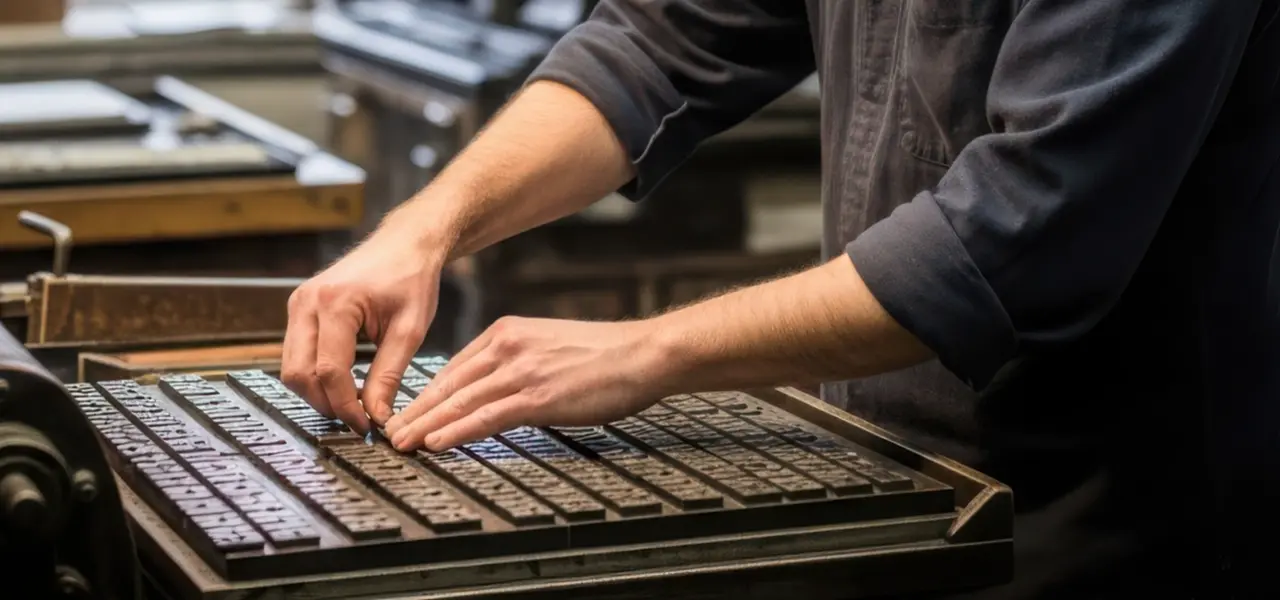
Typesetting is a traditional technique in the printing industry in which individual letters made of wood or metal were placed one by one into a composing frame. This method was used for centuries to print books, newspapers, posters, and business cards.
A typesetter not only had to work precisely, but also needed extensive knowledge of:
-
Typography and typefaces
-
Line spacing and alignment
-
Printing techniques
-
Page composition and layout
-
Text readability
Because every letter was placed by hand, producing printed materials was very time-consuming. Even a small mistake often meant that an entire line or page had to be set again.
Why traditional typesetting was special
Traditional printmaking had a unique appearance that is difficult to fully replicate digitally. The craftsmanship behind the process gave every design character and ensured great attention to detail.
Advantages of traditional typesetting:
- Authentic appearance
- Handcrafted customization
- Strong focus on typography
- High-quality print results
- Durable and tangible outcomes
Today, this technique is still used in luxury print work, art prints, wedding invitations, and creative graphic design projects.
Modern typography and desktop publishing
With the arrival of computers, the world of graphic design and print production changed completely. Thanks to desktop publishing (DTP), texts, images, and complete designs can now be created and edited quickly in digital form.
Software such as Adobe InDesign, Adobe Illustrator, and Adobe Photoshop makes it possible to produce professional designs without manual typesetting.
Advantages of digital printing and design
Digital typography offers enormous advantages for businesses, designers, and marketers:
- Fast production of printed materials
- Easy text editing and adjustments
- Wide range of typefaces and styles
- Consistent quality
- High precision in alignment and layout
- Direct export of print-ready files
- Suitable for both online and offline communication
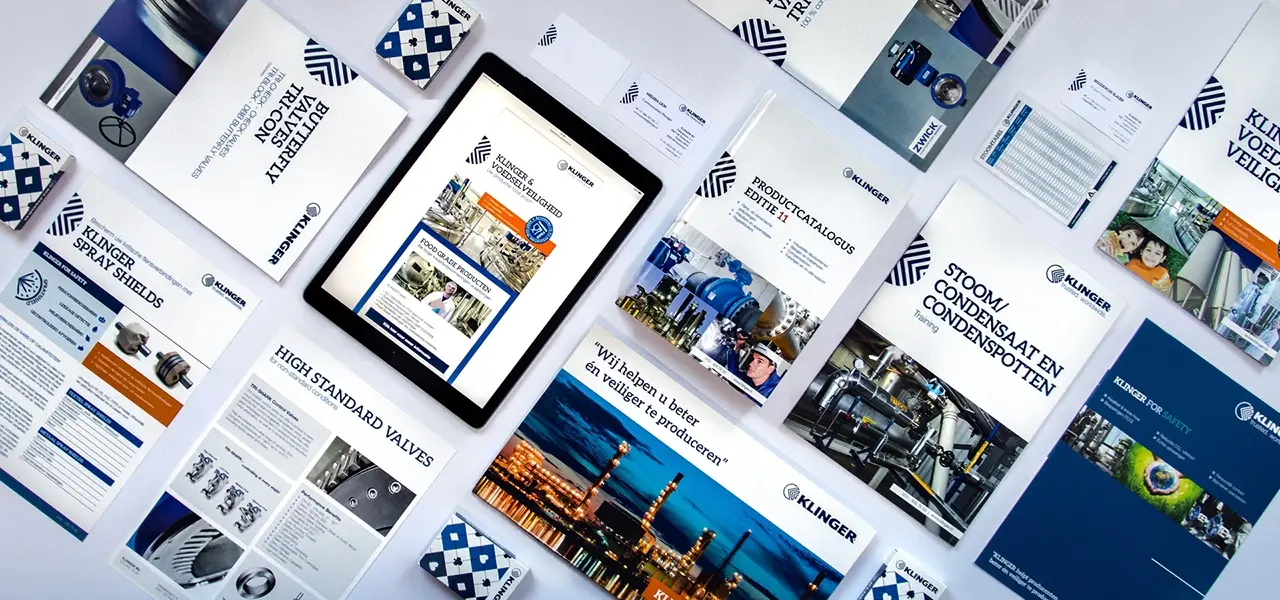
Thanks to modern technology, companies can design and print brochures, flyers, business cards, magazines, and posters much more quickly.
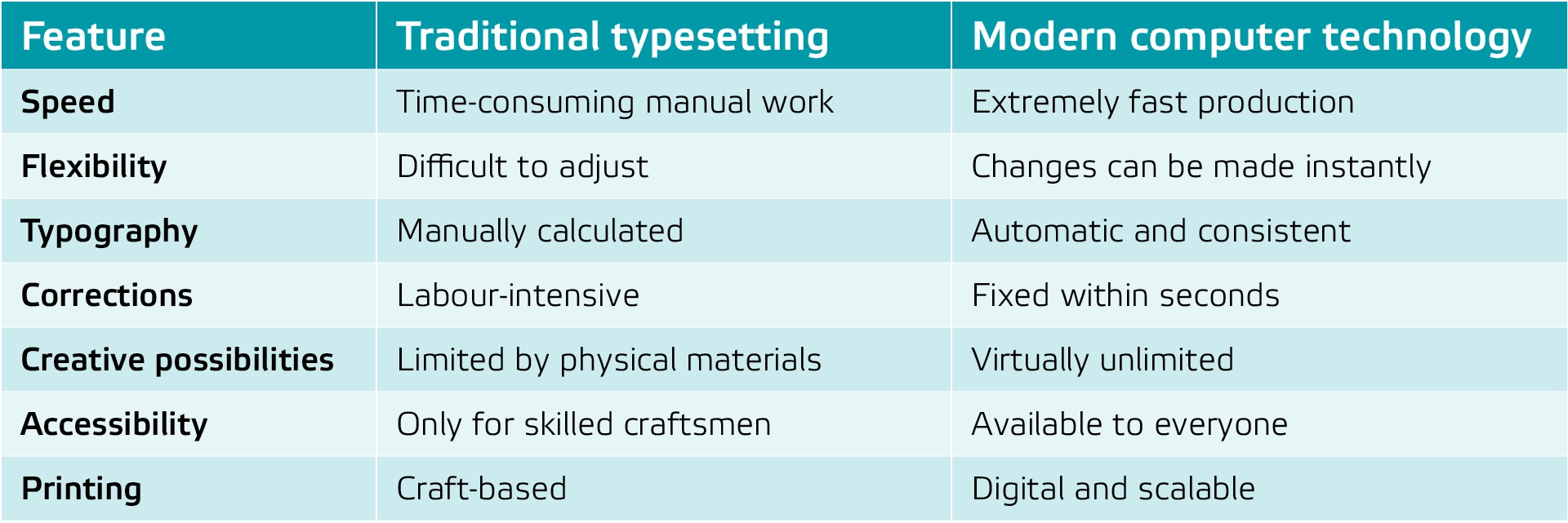
Traditional typesetting versus computers: the main differences
Why typography is still important
Despite all technological developments, good typography remains essential. Poor layout or unreadable text can negatively affect the image of a brand or company.
Professional typography ensures:
- Better readability
- Greater trust from customers
- A professional appearance
- A stronger brand identity
- More effective marketing and communication
That is why many companies still invest in professional graphic design and high-quality printed materials.
What modern designers can learn from the past
Although digital design works much faster, designers can still learn a great deal from traditional printing techniques. The old craftsmanship focused on precision, attention to detail, and knowledge of composition.
These fundamental principles still make the difference today between an average design and a professional end result.
Important lessons from traditional typesetting:
-
Think carefully about white space
-
Choose typefaces with care
-
Ensure balance in the layout
-
Work accurately and consistently
-
Always prioritize readability
The future of print and typography
The combination of traditional craftsmanship and modern technology creates new creative possibilities. More and more designers are combining artisanal techniques with digital tools to produce unique designs.
For example:
- Luxury business cards
- Letterpress printing
- Creative packaging
- Personalized wedding invitations
- Exclusive posters and prints
As a result, the history of typesetting remains relevant even in the digital age.
Conclusion
The difference between traditional typesetting and modern computer-based techniques shows how much the world of printing, typography, and graphic design has changed. Where everything used to be done by hand, we now use fast digital software and professional DTP programs.
Yet the core remains the same: good typography is about attention, balance, and readability. By combining the craftsmanship of the past with modern technology, designs are created that are not only visually appealing but also communicate effectively.
Whether it concerns professional print work, graphic design, branding, or digital communication, knowledge of typography remains essential.

Author of this blog
Rob de Melker
Rob has many years of experience in the graphic design industry and leads the team that creates professional websites, logos, brand identities, and web applications, with additional expertise in animations and lettering. He is known for his personal approach: a cup of coffee always leads to better advice than communicating only by email or messaging. Clients trust him for creative and technical solutions that truly work.
 rob@allesonline.nl |

Do you not check our website daily for the latest tips? No problem! You can also follow us on our social media channels. We regularly share updates, useful facts and a behind-the-scenes.