
How can you use a QR code effectively for your business?
October 9, 2026
Rob de Melker

QR codes offer a convenient way to connect offline and online communication. With a single scan, you can direct customers straight to a website, digital menu, video, promotional page, payment page or contact form. This makes information easy to access, without anyone having to type in a long web address.
There are two types of QR codes: static and dynamic. The best option depends on how you plan to use the code. In this blog, we explain the difference and share examples of how to use QR codes effectively for your business.
What is a QR code?
QR stands for ‘Quick Response’. A QR code is a square digital code that can be scanned using the camera on almost any smartphone. Scanning it can take you to a webpage, video, digital business card or downloadable file.
You can add a QR code to business cards, flyers, posters, packaging, stickers and other marketing materials. It’s a simple way to connect printed materials with up-to-date online information.
What is the difference between a static and a dynamic QR code?
With a static QR code, the linked information is fixed. If the link changes, you’ll need to create a new QR code. This option is best suited to information that is unlikely to change, such as your website’s homepage, a permanent contact page or a general company video.
A dynamic QR code uses an intermediary link to direct users to the final page. This allows you to change the destination later while keeping the QR code itself the same. This is useful when the code appears on a large quantity of printed materials or is used for limited-time promotions. Many dynamic QR code platforms also offer analytics, allowing you to see how often and when the code is scanned.
What can you use a QR code for?
QR codes can be used in many ways. A static QR code may be sufficient for a fixed destination. If you expect the information to change regularly, a dynamic QR code is often more convenient.
Menus and price lists
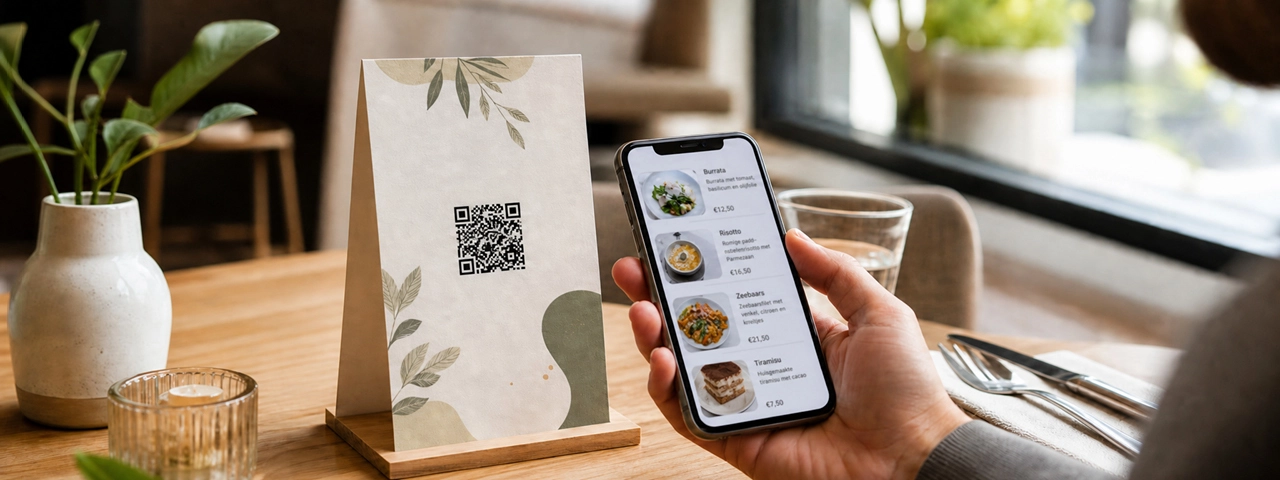
Restaurants and cafés can use a QR code to direct customers to a digital menu. If dishes or prices change regularly, a dynamic QR code offers extra flexibility. This also works well for product catalogues and price lists.
Promotions and campaigns
Place a QR code on a flyer, poster, advertisement or packaging to direct customers straight to a promotional page. With a dynamic code, you can reuse the same QR code for a new campaign or offer once the original promotion has ended.
Videos and guides
A QR code makes it easy to link to an instructional video, product demonstration or online guide. If the video will stay the same, a static code is often sufficient. If you expect to release updated versions, a dynamic code is more practical.
Forms and sign-ups
Let visitors scan a QR code to register for an event, subscribe to a newsletter, enter a prize draw or book an appointment. They can go straight to the right form without having to type in a web address.
Downloadable files
A QR code can link to a brochure, manual, price list or other document. Choose a dynamic code if you want to be able to replace the file later.
A digital business card
A QR code on a business card can link to a digital business card, also known as a vCard. After scanning, someone can view your contact details and save them directly to their smartphone. This is particularly useful at trade shows, networking events and business meetings. The physical business card helps people recognise and remember your business, while the QR code makes it easy to connect digitally.
Websites and social media
You can direct customers straight to a product page, contact page or social media channel. Ideally, choose a specific destination that suits where the QR code is displayed. This helps visitors immediately understand what to do next.
Paying with a QR code
QR codes are also increasingly used to initiate payments. Examples include QR codes at the checkout, on invoices, at events or for donations. Scanning the code opens a payment page or payment request. The customer checks the amount and recipient, then confirms the payment themselves.
When should you choose a dynamic QR code?
A dynamic QR code is particularly useful when you need flexibility or want to track results. You can update the linked information without replacing the code. This keeps existing printed materials usable for longer and helps you save on production and material costs.
Depending on the QR code generator, you may also gain insights into:
-
the number of scans;
-
when the code is scanned;
-
the type of device used;
-
the approximate location of scans;
-
the number of unique and repeat scans.
You can use this data to compare which flyer, poster or packaging brings in the most visitors. If you don’t need analytics and are sure the destination won’t change, a static QR code is often a simple and effective solution.

How do you create a QR code?
You can create a QR code using an online QR code generator. First, decide what you want to achieve with the code and which page you want to direct visitors to. Then choose whether a static or dynamic QR code is the best fit.
For a dynamic QR code, check the costs, privacy terms and available analytics. Also make sure you know whether the code will remain active when a trial period or subscription ends.
Always test your QR code before publishing it or sending it to print. Make sure there is enough contrast and clear space around the code. Also check that the linked page loads quickly and works well on a smartphone.
Make it clear why someone should scan the code
A QR code alone doesn’t tell visitors what to expect. Add a short call to action, such as:
-
‘View our menu’
-
‘Scan to sign up’
-
‘Download the brochure’
-
‘Watch the instructional video’
-
‘Save our contact details’
A clear message makes people more likely to scan the QR code.
Using a QR code effectively
A QR code makes it easy to connect offline marketing materials with online information. For a fixed destination, a static QR code is often sufficient. If you want to update the information later or track results, a dynamic QR code offers more options.
Want to know which QR code best suits your communication needs? Or would you like a professional QR code incorporated into your brand identity, printed materials or signage? Get in touch with us. We’d be happy to help!

Author of this blog
Rob de Melker
Rob has many years of experience in the graphic design industry and leads the team that creates professional websites, logos, brand identities, and web applications, with additional expertise in animations and lettering. He is known for his personal approach: a cup of coffee always leads to better advice than communicating only by email or messaging. Clients trust him for creative and technical solutions that truly work.
 rob@allesonline.nl |

Do you not check our website daily for the latest tips? No problem! You can also follow us on our social media channels. We regularly share updates, useful facts and a behind-the-scenes.